
What to Do After a Florida Merging Accident
A merge crash can happen in a blink. One car moves over, another keeps coming, and both drivers end up staring at the same stretch of damaged paint and bent metal.
If you were hurt in a Florida merging accident, what you do next can affect your health, your insurance claim, and how fault gets sorted out. The scene may feel chaotic, but the response does not have to be.
The first minutes after the crash matter, so start there.
Check for injuries and secure the scene
Your first job is safety. If you can move without making things worse, get out of traffic and turn on your hazard lights. Then call 911, even if the crash seems minor. A low-speed merge can still cause head, neck, or back injuries.
After that, keep the scene as calm as you can. Exchange names, phone numbers, license plate numbers, insurance details, and vehicle descriptions. If the other driver starts talking about blame, keep your answers short and polite. You do not need to argue on the shoulder of a highway.
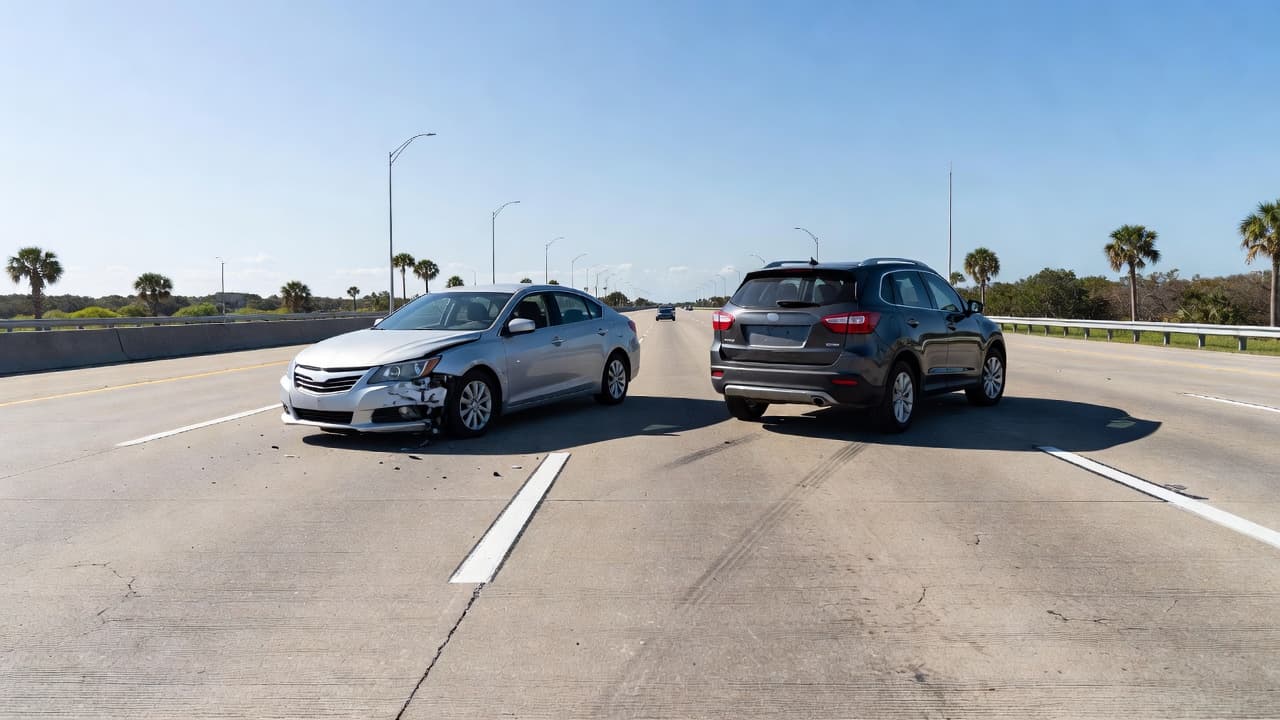
Take photos before the vehicles are moved, if it is safe to do so. Capture the lane markings, skid marks, traffic signs, weather, and the position of both cars. Those details can matter later, especially when each driver says the other crossed over first.
- Move to safety if you can do so without adding risk.
- Call 911 and ask for medical help if anyone is hurt.
- Swap insurance and contact details.
- Photograph the cars, the road, and nearby signs.
- Ask for witness names and phone numbers.
That short record can become the backbone of your claim.
Get medical care and keep records
Some merging crash injuries show up right away. Others wait. The adrenaline rush after a wreck can hide pain for hours, or even a day. Neck stiffness, headaches, numbness, and dizziness deserve attention, even if the car still drives.
Get checked by a doctor as soon as you can. Urgent care, an emergency room, or your regular physician can all help create a medical record tied to the crash. If you wait too long, the insurance company may argue that something else caused the injury.
If you are unsure how payment works after a crash, Florida car accident medical bills explains how treatment costs may move through PIP, health insurance, and injury claims.
Keep every record you can find. That includes:
- discharge papers
- imaging results
- prescriptions
- follow-up visit notes
- physical therapy records
- work excuse notes
- mileage to appointments
A delayed ache can still become a real injury. The paper trail matters because memory fades, but records do not.
Also, keep a simple note of how the injury affects daily life. Trouble sleeping, missed work, or pain while turning your head can matter when a claim moves forward.
How Florida fault rules affect a merge crash
Merge accidents often turn on a small set of facts. Who had the established lane? Who signaled? Who drifted over the line? Who had room to merge safely? Those details can decide a case.
Florida fault disputes in these crashes often come down to timing and lane position. For a plain-language breakdown of those issues, see who is at fault when two cars merge into the same lane.
Florida also uses comparative fault rules. That means more than one driver can share blame. In many negligence cases, a driver who is found more than 50% at fault cannot recover damages. A claim can also shrink if the injured driver is assigned some fault.
That makes evidence important. The stronger the proof, the easier it is to show what happened.
Useful proof often includes:
- dashcam video
- witness statements
- photos of lane lines and vehicle damage
- police crash reports
- phone records if distraction is an issue
- nearby traffic or business camera footage
A merge crash is often a story told by paint marks, traffic flow, and witness memory. The details are small, but they carry weight.
You can also read both parties can be at fault in a car accident for a broader look at shared fault and how it may affect recovery.
Talk to insurers with care
Insurance calls can start fast. Sometimes they begin before you have seen a doctor or fully understood your injuries. That is one reason to slow down and keep your answers tight.
Report the crash to your own insurer as required, but stick to the facts. Give the date, time, location, vehicles involved, and basic injury information. Do not guess about speed, fault, or the cause of pain if you are not sure. A guess can come back later as a problem.
Avoid giving a recorded statement to the other driver’s insurer until you understand what they are asking for. Their goal is not the same as yours. If they press for a broad release or a quick settlement, remember that early offers often arrive before the full cost of treatment is clear.
Florida drivers usually deal with more than one coverage layer after a crash. PIP may handle part of the medical bills. Health insurance may also come into play. If the other driver caused the wreck, bodily injury coverage or an injury claim may matter too. Uninsured or underinsured motorist coverage can be important when the at-fault driver has little or no coverage.
If your claim starts to grow, factors affecting Florida personal injury settlements shows the kinds of losses insurers and lawyers often review.
Keep your own file too. Save claim numbers, adjuster names, emails, letters, and every payment or denial notice. That file can help spot delays and missing information before they turn into bigger problems.
When a lawyer should step in
Some merge crashes stay simple. Many do not. A lawyer can help when fault is disputed, injuries are more than minor, or the insurer starts pushing back.
Legal help makes sense when:
- the other driver blames you
- you need ongoing medical care
- the crash involved multiple vehicles
- a commercial truck or rideshare vehicle was involved
- the insurer delays or denies part of the claim
- you missed work or lost income
- a settlement offer seems low for the injuries you have
A serious crash can also raise questions about future treatment, wage loss, and pain that does not show up on a repair estimate. Those are often the parts insurers try to shrink. A lawyer can gather records, speak with adjusters, and look at how Florida law applies to your facts.
If the crash involved a wide injury claim, the value of the case may depend on medical evidence, fault percentages, and the strength of the documentation. That is why case-specific legal advice matters. The right path after a merge collision is not always obvious, especially when several drivers, insurers, or lanes are involved.
Conclusion
A Florida merge crash can leave you with more than a dented car. It can leave you with pain, questions, and a claim that needs careful handling.
The best first moves are simple, get safe, get medical care, keep records, and stay cautious with fault statements. After that, Florida’s comparative fault rules and insurance layers can shape what happens next.
If your injuries are real and the claim is not moving cleanly, legal advice can help you sort the facts and protect the record before it gets harder to fix.