
Borrowed Car Accident Florida: Who Pays After a Crash
Borrowing a car in Florida can feel harmless until a fender bender turns into a coverage puzzle. The answer usually starts with the vehicle, not the driver, because Florida insurance often follows the car.
That simple rule has exceptions. Permission matters, policy limits matter, and the type of damage matters too, especially when you are sorting out PIP, PDL, collision coverage, and any excess coverage that may sit on top. This is general information, not legal advice.
Key Takeaways
- In most Florida borrowed-car crashes, the owner’s insurance is primary when the driver had permission to use the car.
- PIP usually pays first for the injured person’s medical bills and some lost wages, regardless of fault.
- PDL covers damage to other people’s property, while collision coverage pays for repairs to the borrowed car itself, if that coverage exists.
- If the car was taken without permission, the owner usually is not on the hook.
- When damages are higher than one policy can handle, excess coverage or another policy may come into play.
Who Pays First in a Borrowed Car Accident?
Florida treats vehicles as more than simple property. Under the state’s dangerous instrumentality rule, a car owner can be tied to harm caused by someone they let drive the vehicle. In plain English, if you hand over the keys, you may also hand over the first layer of insurance responsibility.
That is why many borrowed-car claims start with the owner’s policy. A basic explanation from FindLaw’s borrowed car accident guide says the same thing in simpler terms, insurance generally follows the car. Florida works that way in many claims when the borrower had explicit or implied permission.
Permission is the first fork in the road. If your friend asked to use your car and you said yes, the owner’s insurance is usually the starting point. If the driver took the car without permission, the story changes fast, and the owner is usually outside the blame chain.
The type of loss also matters. A crash can involve three different buckets of money at once. One bucket pays medical bills. Another pays property damage. A third pays for injuries you caused to other people. Each bucket can point to a different policy.
Costco insurance’s borrowed-car overview makes the same core point, the car’s coverage usually travels with the car. That is why borrowed-car cases can look simple at first, then turn messy once the adjusters start sorting through policy language.

Photo by Aleksandr Neplokhov
Which Coverage Pays What?
The cleanest way to read a borrowed-car claim is by loss type. Once you separate the damages, the payment path gets easier to follow.
| Type of loss | Usually pays first | What it means |
|---|---|---|
| Injuries to the driver or passengers | PIP | Florida no-fault coverage for medical bills and part of lost wages, up to the policy limits |
| Damage to the borrowed car | Collision coverage | Pays to repair the vehicle that was being driven, minus the deductible, if the policy includes collision |
| Damage to someone else’s car or property | PDL | Pays for property damage you caused to others, up to the policy limit |
| Injuries to other people | BI liability | Pays claims brought by injured third parties if the policy includes bodily injury coverage |
| Losses above policy limits | Excess coverage or another policy | Umbrella coverage or a second policy may step in after the primary policy is used up |
Florida’s PIP rule matters because it pays your own injury claim first, even when another driver caused the crash. If you were hurt, you often start with your own PIP, assuming you have it and you met the treatment deadline. PIP usually covers 80 percent of reasonable medical expenses and 60 percent of lost wages, up to the policy limit, if treatment starts within the required 14 days.
PDL is different. It does not pay your hospital bill. It pays for damage to someone else’s property, like another car, a fence, or a mailbox.
Collision coverage belongs to the car, not the driver. If the borrowed vehicle carries collision coverage, that policy can pay to fix the borrowed car after the deductible, even when fault is disputed. If the car does not have collision coverage, repair costs may fall back on the owner, the borrower, or a fault-based claim.
Bodily injury liability is the piece many Florida drivers overlook. Florida does not require BI on every policy, but when it exists, it can pay people you injure in the crash. In a borrowed-car case, the owner’s BI coverage often comes first, and the borrower’s own BI or umbrella policy may act as extra protection if damages run higher.
When Florida Shifts Responsibility Away From the Owner
Permission is the dividing line, but it is not the only one. Several facts can move a borrowed-car claim in a different direction.
- If the car was taken without consent, the owner usually is not responsible for the crash.
- If the policy excludes the driver, the insurer may deny or limit coverage.
- If the borrower drove recklessly, under the influence, or broke the law, that driver can face direct liability.
- If the owner knew the driver was unsafe, unlicensed, or clearly impaired, a negligent entrustment claim may come up.
These exceptions matter because insurance companies look for them quickly. A policy can have exclusions, limits, or notice rules that change who pays and when. A stolen-car case is also very different from a casual borrowing case. So is a situation where a parent lends a car to an unlicensed teen, or where someone uses a car for work when the policy only allows personal use.
Fault still matters on top of coverage. Florida uses modified comparative fault, so if an injured person carries most of the blame, recovery can shrink or disappear. That rule affects lawsuits and settlement talks, even when the insurance question seems settled.
The short version is this: the owner is often the first target after a permissive-use crash, but the driver may still carry separate responsibility. The details decide whether the owner’s policy pays, whether another policy steps in, or whether the claim gets pushed onto the person behind the wheel.
Real-World Borrowed Car Accident Examples
A few common scenarios make the payment order easier to see.
If your cousin borrows your sedan, rear-ends another car, and injures the other driver, the first stop is usually your car’s policy. The injured driver uses PIP for their own medical bills if available, your PDL handles the property damage, and any BI liability coverage on your policy may answer the injury claim.
If you borrow a neighbor’s SUV and back into a pole, collision coverage on the SUV is the piece that repairs the damage, assuming that coverage is on the policy. PDL is not the answer for fixing your own borrowed car, because PDL pays for damage to other people’s property.
If someone takes a car without permission and crashes it, the owner usually is not the one paying the claim. In that situation, the driver who took the car can be treated as the one responsible for the losses.
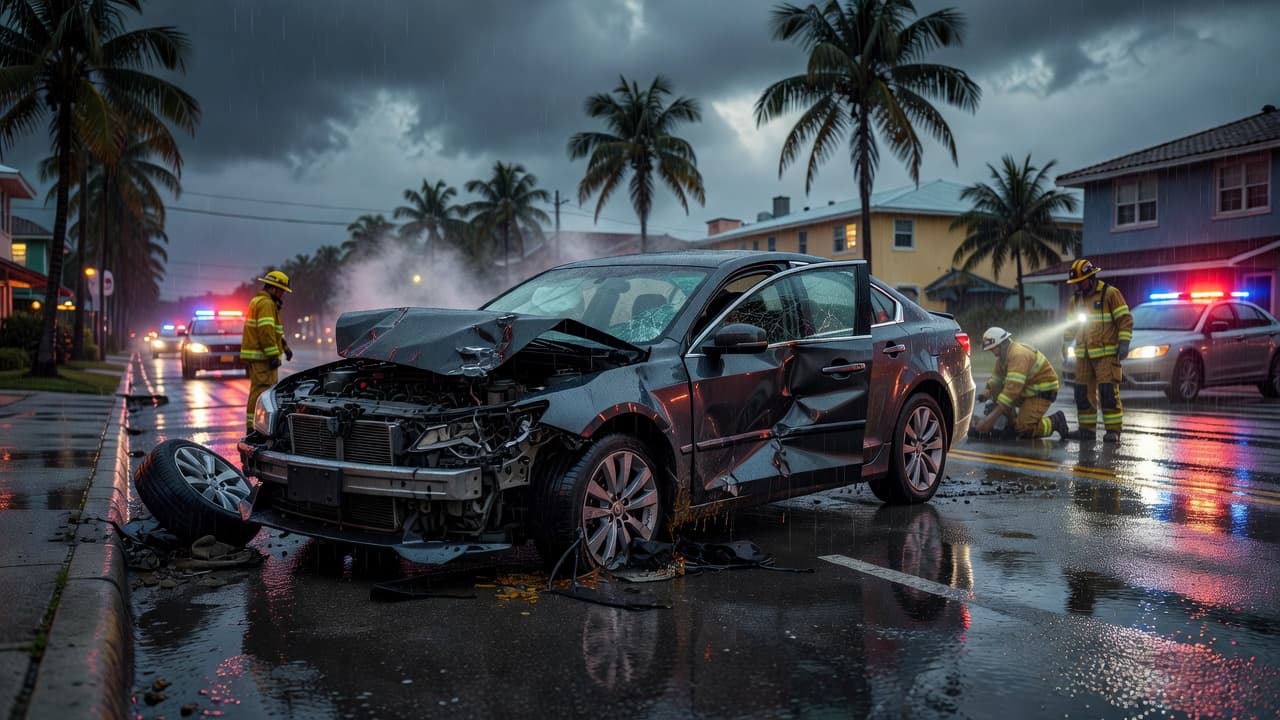
When the crash causes serious injuries or higher repair bills, the stack of coverage can get taller. That is when excess coverage matters. An umbrella policy, a second auto policy, or the borrower’s own insurance may help once the primary policy runs out. The order depends on the policy wording and the facts of the wreck.
What to Check Before the Claim Drifts Off Course
After a borrowed-car crash, the first task is not guessing. It is gathering the documents that show who had permission and which policies are in play.
- Get the owner’s insurance card and declarations page, not just the insurance card.
- Check whether the driver had clear permission to use the car, because texts, calls, or witnesses can matter.
- Look for the coverages that actually exist, including PIP, PDL, BI liability, collision, and any umbrella or excess policy.
- Save photos, repair estimates, medical records, and the police report.
- In Florida, report crashes involving injury, death, or significant property damage right away, because late paperwork can make a claim harder to manage.
The declarations page is the part many people skip. It shows limits, deductibles, named drivers, and exclusions. That one page often answers more questions than a long phone call with an adjuster.
Medical timing matters too. If PIP may apply, get checked quickly so you do not run into the 14-day treatment rule. Even a minor delay can become a coverage argument later.
Conclusion
After a borrowed-car accident in Florida, the first question is usually not who was driving. It is whether the driver had permission and which policy sits first in line. In many cases, the owner’s insurance leads the way, while PIP, PDL, collision coverage, BI liability, and excess coverage each handle a different piece of the loss.
The answer can change when the car was taken without consent, when the policy excludes the driver, or when damages outgrow the primary coverage. That is why the policy language and the crash facts matter just as much as the dented metal.