
South Florida Cruise Ship Injury Claims: What to Do
After a cruise injury, get medical care, report the incident, preserve evidence, and address your ticket’s deadlines immediately. South Florida cruise ship injury claims often require written notice within about six months and a lawsuit by the filing deadline stated in the ticket.
Returning home doesn’t end your right to seek compensation. However, waiting for the cruise line to respond can put that right at risk. We recommend starting with medical care and documentation, then addressing the separate notice and lawsuit deadlines.
Last Updated: October 2026
Key Takeaways
- Federal maritime law generally governs shipboard passenger injuries, rather than your home state’s negligence law.
- Your ticket can require a lawsuit in Miami, even if you live elsewhere.
- An onboard incident report doesn’t necessarily satisfy formal notice requirements or stop the lawsuit deadline.
What to Do After a Cruise Injury
Your health comes first. If your condition prevents you from gathering evidence, ask a traveling companion to help.
- Get medical attention. Visit the ship’s medical center and obtain emergency care when needed. After disembarking, seek appropriate follow-up treatment and save the records.
- Report the incident to ship security. Request a written incident report and a copy. Record any refusal, along with the responding employee’s name.
- Document the location. Photograph the hazard before cleanup or repairs. Include surrounding lighting, warning signs, and nearby cameras. Note the deck, exact location, and time.
- Identify witnesses. Collect names, phone numbers, email addresses, and cabin numbers. Save your booking confirmation, ticket contract, receipts, and relevant messages.
- Protect your claim during communications. Give a factual account without guessing. Don’t provide a recorded statement to a cruise line adjuster or sign a release before receiving legal advice.
A future cruise credit may come with release language or a request for a statement. Read the terms before accepting.
Our guidance on reporting and documenting a fall explains similar evidence-preservation steps, although shipboard claims follow different legal rules.
Which Law and Court Apply?
Maritime Law and the Ticket’s Forum Clause
Federal maritime law generally governs passenger injuries aboard cruise ships on navigable waters. Living in Coral Springs, Parkland, or another state doesn’t replace that framework with your home state’s injury law.
Tickets for major lines, including Carnival, Royal Caribbean, Celebrity, and Norwegian, may contain a forum selection clause. It may require passengers to file in federal court, often in Miami’s Southern District of Florida. The applicable contract controls.
The Supreme Court’s decision in Carnival Cruise Lines v. Shute supports enforcement of passenger-ticket forum clauses. Filing in the wrong court can consume time without protecting your claim.
U.S. Ports, Foreign Itineraries, and Fatal Injuries
An itinerary calling at Miami or Port Everglades commonly supports application of U.S. maritime passenger protections. Your booking confirmation and itinerary establish those scheduled U.S. calls. However, a port call alone doesn’t automatically establish Florida jurisdiction.
Wholly foreign itineraries require a separate analysis. The Athens Convention may apply under relevant foreign law and can limit recovery; it doesn’t automatically govern every cruise without a U.S. stop.
Fatal incidents beyond three nautical miles from U.S. shores may implicate the Death on the High Seas Act, which generally limits recovery to financial losses. The Federal Judicial Center’s maritime law reference discusses these distinct legal systems.
Deadlines for Cruise Ship Injury Claims
Written Notice and Filing Suit Are Separate
Most cruise contracts require a lawsuit within one year, shorter than the general three-year maritime personal injury statute of limitations. Formal written notice, called a notice of claim, often comes due around six months, commonly 180 or 185 days.
These are separate obligations:
| Requirement | Typical Timing | What Matters |
|---|---|---|
| Onboard incident report | Immediately | Creates an early factual record |
| Formal written notice | About six months | Must satisfy the applicable ticket terms |
| Lawsuit | Often one year | Must reach the proper court on time |
Under federal maritime liability law, covered passenger contracts generally cannot allow less than six months for notice or one year for suit. Six calendar months and 180 days aren’t always identical. Verify current statutory language and applicable ticket terms against authoritative sources, since deadlines vary by cruise line, contract, and itinerary.
For deadline math, January 1, 2026 plus 185 days is July 5, 2026. Its one-year anniversary is January 1, 2027. Those separate dates illustrate why sending notice doesn’t complete the filing process.
The usual Florida negligence deadline is different and shouldn’t guide a shipboard claim.
Missed Notice, Children, and Incapacity
A missed notice deadline doesn’t always end the case. Federal exceptions can involve the carrier’s knowledge without prejudice, a satisfactory reason notice wasn’t given, or failure to object.
Don’t assume children or mentally incapacitated passengers automatically receive three years to sue. Federal law protects certain notice periods until a representative’s appointment or three years, whichever occurs first. The lawsuit deadline requires separate analysis.
Settlement discussions, medical treatment, and an open claim file generally don’t pause the lawsuit deadline.
What Injuries Can Support a Claim?
An injury alone doesn’t establish liability. The question is whether legally actionable negligence caused it.
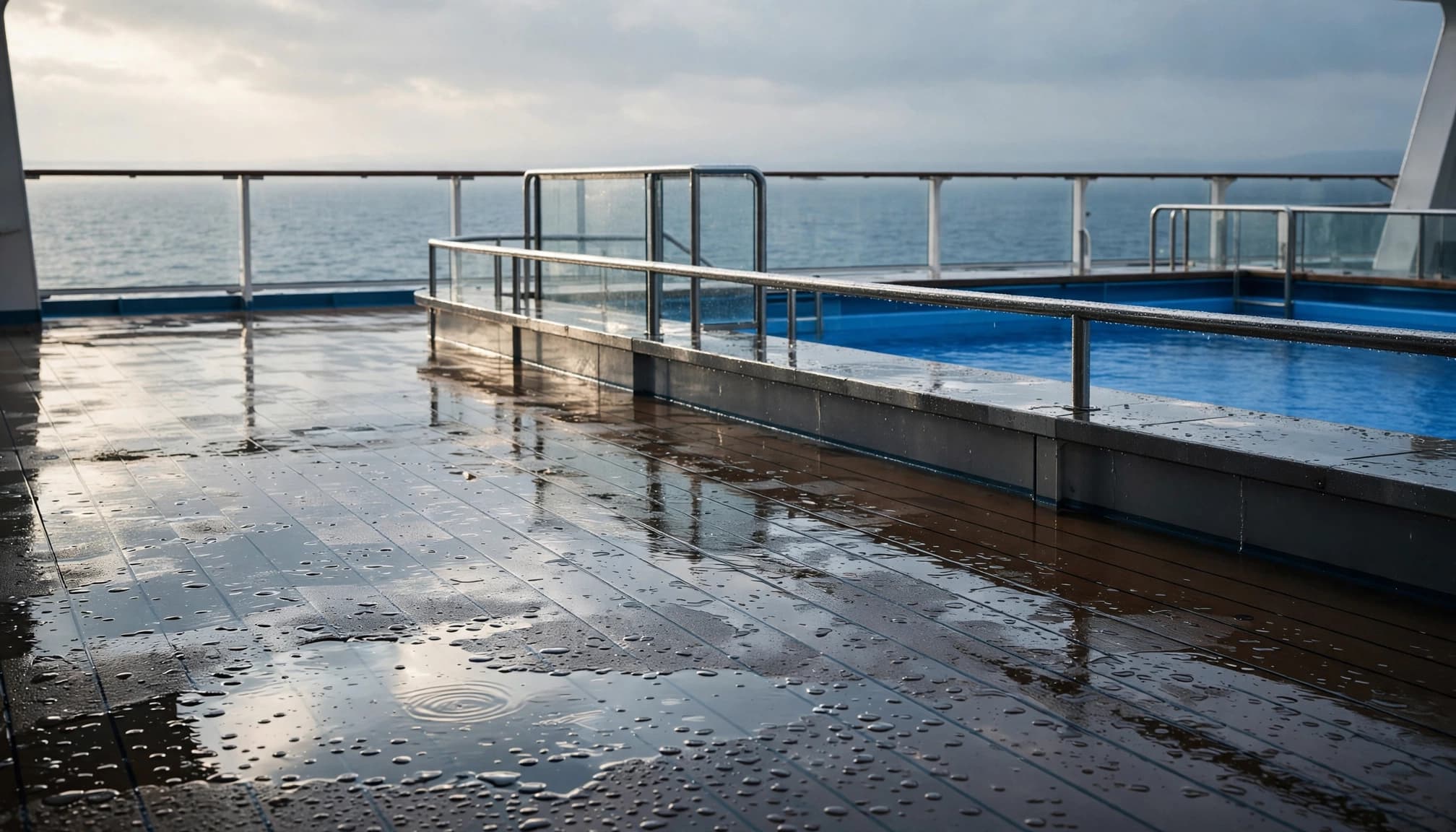
Common incidents include a slip and fall on wet decks or pool surrounds, a trip and fall over raised thresholds called coamings, and door crush injuries. Broken equipment, poor lighting, and elevator malfunctions can also cause serious harm.
Attractions present other risks. Water slides, zip lines, FlowRider surf simulators, climbing walls, ice skating rinks, and go-karts require appropriate operation and maintenance.
Foodborne illness, norovirus outbreaks, Legionnaires’ disease, and assaults may also support claims when evidence connects the harm to negligent conduct. An outbreak or assault doesn’t automatically make the carrier responsible. The claim still needs proof of an applicable duty, a failure to meet it, and resulting harm.
How Is Cruise Line Negligence Proven?
Establishing Fault and Notice
A passenger generally must establish duty, breach, causation, and damages. In plain English, the cruise line owed reasonable care, failed to provide it, and caused a documented injury.
For dangerous-condition claims, actual or constructive notice often determines liability. Actual notice means the carrier knew about the risk. Constructive notice means evidence supports that it should have known.
In Sorrels v. NCL, the Eleventh Circuit addressed evidence relevant to a passenger’s wet-deck negligence claim. Prior similar incidents and employee testimony can matter alongside photographs.
Preserving Evidence the Passenger Cannot Access
We recommend prompt, written preservation requests identifying the date, time, deck, and location. Relevant material can include surveillance footage before and after the incident, inspection logs, cleaning records, maintenance reports, and prior complaints.
A preservation request doesn’t automatically require immediate disclosure. After filing, attorneys can pursue relevant records through discovery and challenge improper withholding.
Meanwhile, keep original photographs and messages. A screenshot alone may omit useful metadata. Also preserve footwear and clothing without altering their condition.
What About Excursions and Shipboard Medical Care?
Shore Excursion and Tender Boat Accidents
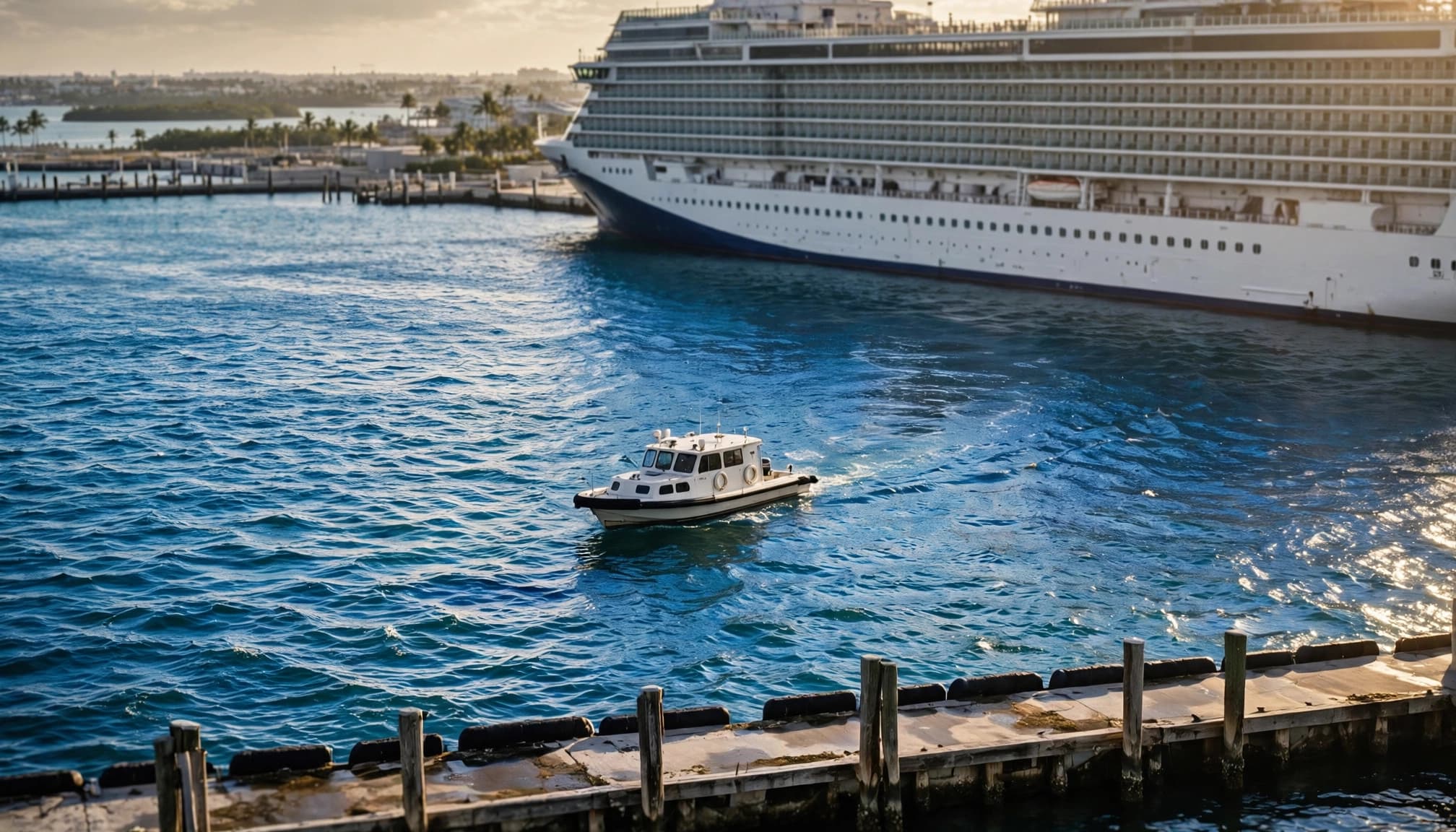
Responsibility after tender accidents may involve the cruise line, tender operator, or independent excursion business. Selling an excursion alone doesn’t make the cruise line liable for everything the operator does.
However, negligent selection or retention of an unsafe operator, inadequate warnings, or the cruise line’s own conduct can support liability. Save advertisements, booking confirmations, waivers, and the operator’s identity. Those records help establish who promised what and who controlled the activity.
Shipboard Medical Malpractice
Claims can involve delayed evacuation, misdiagnosis, medication errors, or inadequate staffing. Liability depends on the medical evidence and the relationship between the provider and cruise line.
Some ship physicians hold non-U.S. licenses. That fact alone doesn’t establish malpractice. The central questions concern the required standard of care and whether deficient treatment caused additional harm.
Request the complete shipboard chart, medication records, test results, and evacuation communications.
What Compensation Can Passengers Recover?
Compensation can include past and future medical expenses, emergency evacuation costs, lost wages, reduced earning capacity, and rehabilitation. Pain and suffering, disability, disfigurement, and psychological trauma may also be recoverable.
There is no reliable standard settlement range for cruise injuries. A meaningful valuation requires evidence of liability, medical prognosis, future care, and the injury’s effect on your work and daily life.
Medical records explain treatment needs. Payroll records establish income losses. Meanwhile, photographs and consistent accounts of daily limitations help document nonfinancial harm.
Our guidance on documenting pain and suffering identifies useful records, although maritime rules determine which damages apply. Passenger fault can reduce recovery, and wrongful death claims may have different recovery limits.
Cruise Injury Claim FAQs
Can a Claim Start After Returning Home?
Yes. You don’t have to remain aboard or in Florida to pursue a claim. However, returning home doesn’t restart the notice or lawsuit deadline. Preserve your ticket and arrange legal review promptly.
Is a Regular Personal Injury Lawyer Enough?
Cruise cases require familiarity with maritime law, passenger contracts, federal procedure, and forum clauses. We recommend discussing those issues during the consultation. General accident experience alone doesn’t establish experience handling maritime claims.
Does a Cruise Line’s Denial End the Case?
No. A denial is the company’s position, not a court decision. Evidence may support a claim despite its denial. However, negotiations after a denial generally don’t extend filing deadlines.
Are Cruise Injury Settlements Confidential?
Some settlement agreements contain confidentiality clauses. Their wording determines what you may disclose and any consequences for breaching the agreement. Obtain legal advice before signing because confidentiality and release provisions create separate obligations.
Get Help Before the Deadline Passes
Protecting a cruise injury claim starts with early documentation and timely action. A maritime lawyer can review your ticket and explain the deadlines that may apply. During a free consultation, we can also review the firm’s contingency fee terms.
Call Lyons & Snyder at 954-462-8035. We serve injured people across South Florida, including Plantation, Delray Beach, Vero Beach, and Key West. No Recovery No Fee. Hablamos Español.
This content is for informational purposes only and isn’t a substitute for legal counsel.