
South Florida Nursing Home Neglect: Evidence to Save
Document dated photographs, medical records, changes in your loved one’s condition, and every request for help. For South Florida nursing home neglect claims, the strongest evidence connects missed care to a specific injury.
You don’t need to prove the entire case before reporting a concern. We recommend protecting your loved one’s health first, then preserving a clear timeline of what happened.
Start with the warning signs, and record facts while they’re fresh.
Last Updated: October 2026
Key Takeaways for Families
- Get urgent medical help before gathering evidence if your loved one is in danger.
- Keep original photos, dated observations, care records, and written communications together.
- Report suspected neglect promptly, but remember that agency complaints don’t replace a lawsuit or stop its filing deadline.
Warning Signs That Deserve Documentation
Neglect occurs when a facility or caregiver fails to provide required care. Nursing home abuse involves deliberate mistreatment. Both deserve prompt attention, but an injury alone doesn’t establish liability.
Physical Injuries and Missed Medical Care
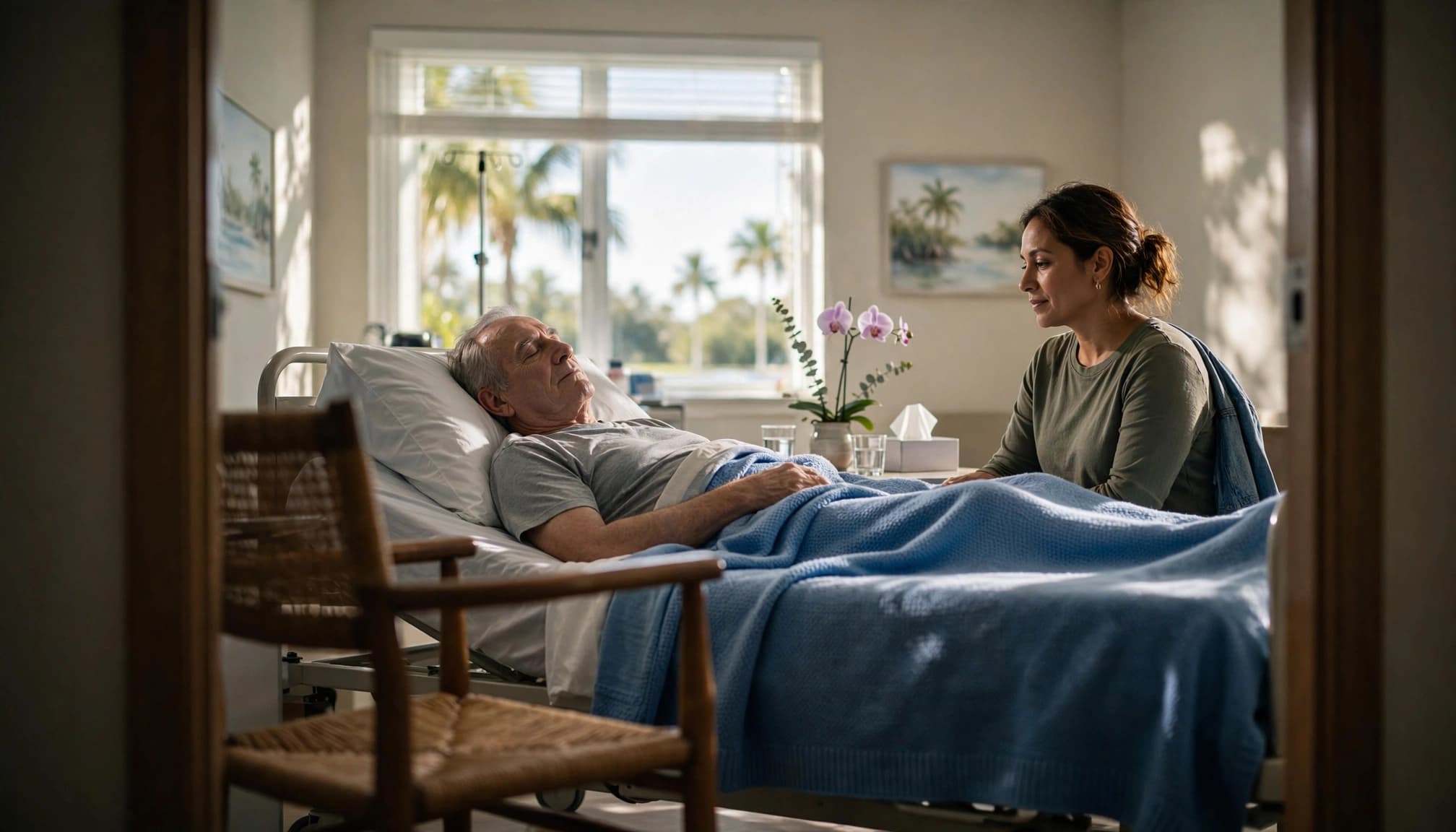
Document bruises, falls, unmet medical needs, weight loss, malnutrition, and dehydration. Also note delayed medication, soiled bedding, and unanswered requests for assistance.
Bedsores, also called pressure ulcers or decubitus ulcers, develop from sustained pressure, especially over bony areas. Untreated wounds can cause infection and death. Seek medical evaluation rather than trying to diagnose or stage a wound yourself.
Staffing records can matter. An AARP report on investor acquisitions found 33 fewer direct-care minutes per resident daily following the acquisitions studied. That finding doesn’t prove neglect at a particular facility.
Emotional Changes and Financial Concerns
Withdrawal, fear around particular staff members, or sudden reluctance to speak may warrant investigation. Record the behavior you observed and when it began.
Preserve statements in your loved one’s own words. Avoid repeated questioning or suggesting answers, especially when memory or communication is difficult.
Missing belongings and unexplained financial transactions may indicate exploitation. Save account statements, receipts, and property inventories. Record who had authorized access, without assuming that every discrepancy proves theft.
How to Preserve Evidence Without Distorting It
For South Florida nursing home neglect concerns, a consistent record is more useful than a collection of accusations. We recommend separating what you witnessed from what someone told you.
Build a Timeline of Observations and Responses
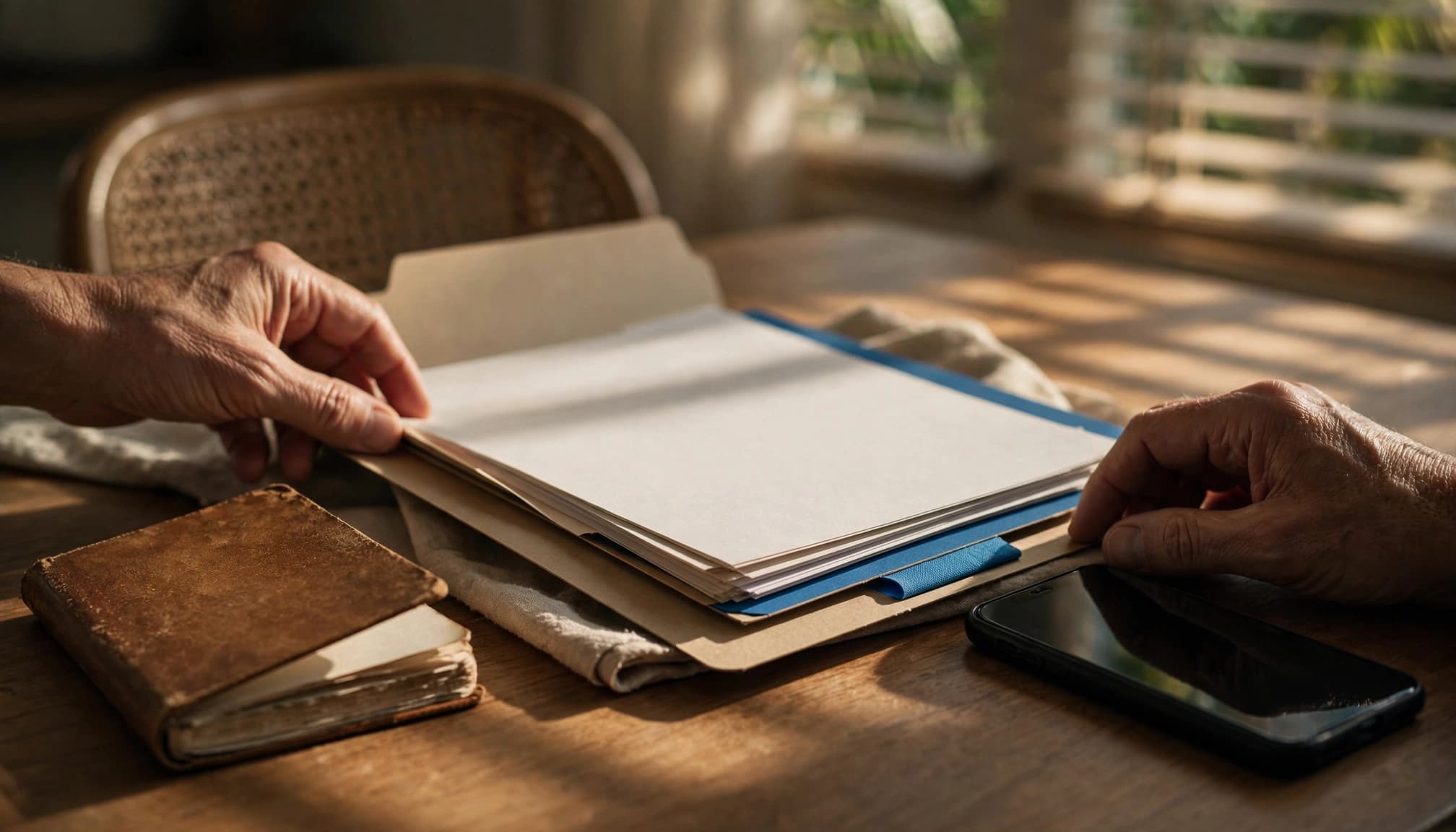
For each incident, record the date, approximate time, location, people present, and condition observed. Add whom you notified and what happened afterward.
Record staff members’ names and roles when available. If you don’t know a name, describe the person without guessing.
Send factual follow-up emails after important conversations. Save messages, visitation records, and complaint confirmations. Witnesses should write their own accounts independently.
Also document changes in sleep, mobility, appetite, and ordinary activities. These details support pain and suffering evidence when medical records don’t capture daily limitations.
Keep Original Photographs and Respect Privacy
With appropriate consent and respect for dignity, photograph visible injuries and relevant room conditions. Keep original files with their timestamps and metadata.
Don’t crop, filter, annotate, or overwrite your only copy. Back up the originals securely, and keep private health information off social media.
Never delay treatment to photograph an injury. Don’t reposition a resident or remove dressings solely for documentation.
Florida generally requires all parties’ consent to record private conversations. Avoid secret audio recordings. Written notes made immediately afterward offer a safer way to preserve what was said.
Record observations separately from conclusions. A dated description of an unanswered call light is stronger than a general accusation of neglect.
Which Care and Facility Records Matter?
Request records through the resident or someone legally authorized to access them. Being a relative doesn’t automatically give you unrestricted access to medical information.
Compare the Care Plan With Delivered Care
Preserve the admission assessment, care plan, physician orders, medication administration records, and hospital discharge papers. Keep wound records that describe pressure ulcers or use the term decubitus ulcers. Ask for available weight, nutrition, hydration, and fall-related documentation.
Florida law requires a care plan and sufficient staffing to provide the care it calls for. Comparing required assistance with documented care can reveal important gaps.
Section 400.022 protects dignity, freedom from abuse and neglect, appropriate medical care, personal property, physician choice, and grievances without retaliation. Save written complaints and any response suggesting retaliation.
Preserve Operational and Ownership Evidence
Keep admission contracts, bills, transfer notices, and notices of ownership changes. The Center for Medicare Advocacy summarized findings that 425 Florida facilities changed ownership between 2019 and 2024.
Ownership information helps identify responsible entities, but it doesn’t establish fault by itself.
Staff schedules, assignment sheets, incident reports, and surveillance recordings may also matter. Families won’t necessarily receive every internal document directly. An attorney can send preservation requests and pursue records through lawful procedures.
Identify relevant cameras promptly because recordings may be overwritten. Save the paperwork you already have rather than waiting for a complete record.
Where to Report Suspected Neglect in South Florida
Call 911 if your loved one faces immediate danger, a serious injury, or a medical emergency. Otherwise, report suspected abuse promptly. Florida law requires a report when there’s reasonable cause to suspect elder abuse, neglect, or exploitation of a vulnerable adult.
These statewide reporting paths apply in Broward, Miami-Dade, and Palm Beach counties.
| Concern | Reporting Path |
|---|---|
| Suspected vulnerable-adult abuse, neglect, or exploitation | Florida Abuse Hotline: 1-800-96-ABUSE (1-800-962-2873), by phone or online |
| Nursing-home regulatory or care complaint | AHCA: (888) 419-3456 or its online complaint form |
| Resident advocacy and care concerns | Long-Term Care Ombudsman: (888) 831-0404 |
The Florida Abuse Hotline is the statewide option for reporting suspected abuse, neglect, or exploitation. DCF’s Adult Protective Services investigates these reports. Florida’s abuse-reporting resources include information about online reporting.
You can submit an AHCA facility complaint anonymously. Include the facility’s name, address, resident’s location, relevant dates, and specific concerns.
Keep confirmation numbers and copies of submissions. Reporting to a facility administrator doesn’t replace an appropriate outside report.
Criminal proceedings are separate from compensation claims. Section 825.102 addresses abuse, aggravated abuse, and neglect of elderly or disabled adults. Financial exploitation falls under Section 825.103.
What South Florida Nursing Home Neglect Claims Require
Section 400.023 identifies potential defendants: the licensee, its management or consulting company, managing employees, and direct caregivers. A passive investor isn’t liable under that section. Claims against other entities face additional statutory restrictions.
Establish Duty and Breach
To establish nursing home negligence, the claimant must prove that the defendant owed a duty of care and breached it. In a nursing home lawsuit, the standard is a preponderance of the evidence, meaning more likely than not.
A care plan, physician order, or documented assistance requirement can help establish what care was owed. Records and witness accounts can then show whether the defendant failed to provide it.
A violation of residents’ rights is evidence of negligence, not negligence per se. Section 400.023 doesn’t create strict liability. A rights violation alone doesn’t automatically establish the entire damages claim.
Connect the Failure to an Injury
The claimant must also prove that the breach legally caused an injury and that the resident suffered harm. Medical evidence matters because illness can produce complications even with appropriate care.
Preserve treatment bills, additional care expenses, and evidence of physical and emotional harm. Our explanation of recoverable injury damages describes broader compensation categories and can help families evaluate a potential settlement.
Chapter 766 doesn’t apply to actions under Sections 400.023 through 400.0238. Section 768.21(8) also doesn’t apply to wrongful death claims under this framework.
A resident prevailing only on injunctive or administrative relief may recover reasonable attorney fees up to $25,000. That isn’t a general fee award for every damages lawsuit.
Which Filing Deadline Applies?
Nursing-home claims have their own statute of limitations and timing rules. Don’t automatically apply an older four-year negligence deadline or the general two-year accident rule.
The starting point for a nursing home negligence claim depends on its legal basis.
| Claim Type | General Timing Rule |
|---|---|
| Nursing home lawsuit under Section 400.0236 | Two years from the incident or discovery, including when reasonable diligence should have revealed it; generally a four-year outer limit |
| Wrongful death | Generally two years from death |
| Separate medical-malpractice claim | Generally two years from discovery or when discovery should have occurred; usually a four-year outer limit |
Fraud or concealment can affect outer limits, but exceptions require case-specific analysis. Nursing-home claims also have presuit procedures under Section 400.0233, including notice and generally a 75-day waiting period with statutory tolling.
Our Florida injury deadline guide explains why notifying an insurer differs from filing in court.
Agency complaints and settlement discussions don’t automatically pause the deadline. We recommend getting legal guidance early enough to identify the correct claim and complete required procedures.
Frequently Asked Questions
Can a Family Member File for a Resident?
An authorized representative may act for a resident. Section 400.023 permits actions by a resident, guardian, or a person or organization acting with the resident’s consent. After death, the personal representative can bring the action. Family relationship alone doesn’t establish authority.
What Is the Average Settlement?
There isn’t a dependable average settlement value for every case. Value depends on the facts, including causation, injury severity, treatment costs, and available evidence.
A Gainesville jury awarded $2.3 million to the family of a Parklands Care Center resident for stage 4 bedsores. That verdict isn’t a settlement average or a promise of another family’s recovery.
How Hard Is It to Sue, and How Long Does It Take?
These cases require evidence connecting a specific care failure to harm. Facility records and medical testimony often matter. Timing depends on presuit investigation, disputes over records, discovery, and whether the case settles or reaches trial. No fixed timeline fits every claim.
Protect Your Loved One and Preserve the Record
Your loved one’s safety comes first. Then preserve original evidence and a factual timeline before records disappear or memories fade.
If you’re in Coral Springs, Parkland, Plantation, Delray Beach, or elsewhere in South Florida, call Lyons & Snyder at 954-462-8035 to speak with a nursing home attorney during a free consultation. No Recovery No Fee. Hablamos Español.
This content is for informational purposes only and isn’t a substitute for legal counsel.